
EU Approves €211.5 Billion Budget for 2027, Focus on Cohesion and Resilience
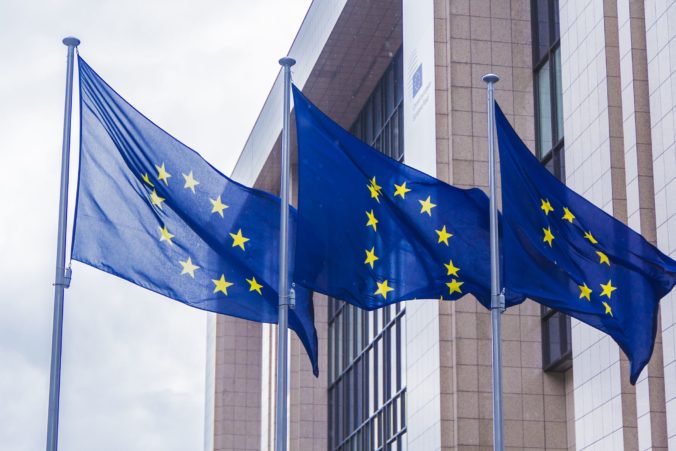
EU member states have formally approved the budget for 2027. More than €211.5 billion has been allocated, with the largest portion dedicated to cohesion, resilience, and common European values. Significant funding will also go toward agriculture, the environment, research, security, and defense. The final adoption is pending approval by the European Parliament.
The Council of the European Union formally approved the Union’s 2027 budget on Monday, November 23. This is the seventh and final annual budget under the current 2021-2027 Multiannual Financial Framework.
The budget includes commitments totaling approximately €199.7 billion and payment appropriations of €211.5 billion. Additionally, €710.1 million remains available within expenditure ceilings designed to help the Union respond to unforeseen events.
Member states and European Parliament negotiators reached a preliminary deal on the final budget on November 11. The next step is formal approval by the European Parliament, expected on November 25.
Largest Funding Goes to Cohesion and Resilience
The biggest budget item is cohesion, resilience, and values, with approximately €75.8 billion in commitments and €81.8 billion in payments allocated to this area.
Funding includes various programs aimed at reducing regional disparities, supporting member state development, and strengthening European society’s resilience.
Natural resources and the environment constitute another significant part of the budget, with more than €61.2 billion in payments. This category also covers financing of the Common Agricultural Policy.
Nearly €22.9 billion in payments is allocated to the single market, innovation, and the digital economy to boost Europe’s economic competitiveness, technological development, and innovation.
Breakdown of the €211.5 Billion Budget
The 2027 EU budget covers multiple sectors. The table below shows commitments and payments by budget heading.
| Area | Commitments | Payments |
|---|---|---|
| Cohesion, Resilience, and Values | €75.76 billion | €81.85 billion |
| Natural Resources and Environment | €57.11 billion | €61.28 billion |
| Single Market, Innovation, and Digital Economy | €22.01 billion | €22.85 billion |
| Neighbourhood and the World | €15.54 billion | €16.66 billion |
| European Public Administration | €13.87 billion | €13.87 billion |
| Migration and Border Management | €5.81 billion | €3.88 billion |
| Security and Defence | €3.08 billion | €2.23 billion |
| Loan to Support Ukraine | €0.65 billion | €0.65 billion |
| Special Instruments | €5.87 billion | €8.26 billion |
| Total | €199.71 billion | €211.53 billion |
These figures derive from the budget agreement between the EU Council and the European Parliament. Numbers are rounded.
Commitments Differ from Actual Payments
The difference between total commitments and payments is crucial for interpreting the budget.
Commitments represent a legal promise that the European Union will allocate funds for specific programs and projects, which may be implemented over several years.
Payments, on the other hand, denote cash disbursed under commitments made in the current or previous budget years.
Therefore, the higher planned payments for 2027 compared to new commitments do not mean the EU is launching projects equal to the full payment amount in a single year.
Billions Allocated to Security and Defense
The EU budget also provides for security and defense funding, with roughly €3.08 billion in commitments and €2.23 billion in payments allocated to this area.
Migration and border management is a separate category, with about €5.81 billion in commitments planned.
The budget reflects the security challenges the Union faces regarding geopolitical developments, protecting external borders, and ongoing conflicts in neighboring regions.
Ukraine Receives a Dedicated Loan in the Budget
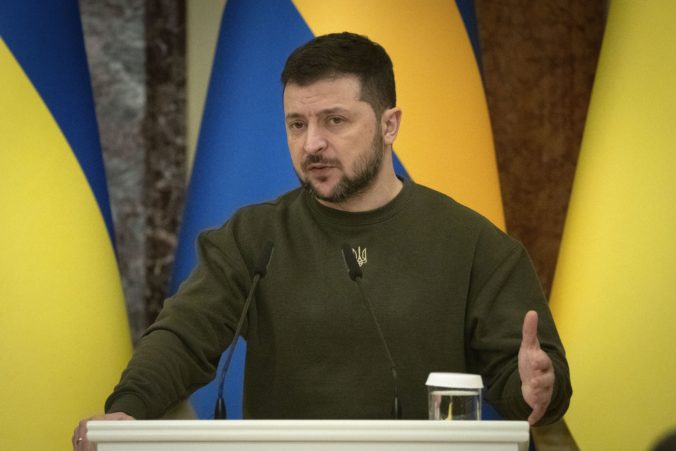
The approved budget framework includes a loan to support Ukraine amounting to €650 million. This sum is listed equally in commitments and payments.
Support for Ukraine forms part of Europe’s broader response to the security and humanitarian crisis caused by the
Odomknite si článok za 5 sekúnd
Stačí meno a e-mail. Pošleme vám potvrdzovací odkaz; po jeho potvrdení sa články odomknú. Počasie zostáva voľne dostupné.





Diskusia