
Illegal Alcohol Poisoning Kills at Least 20 in Iran, 356 Hospitalized
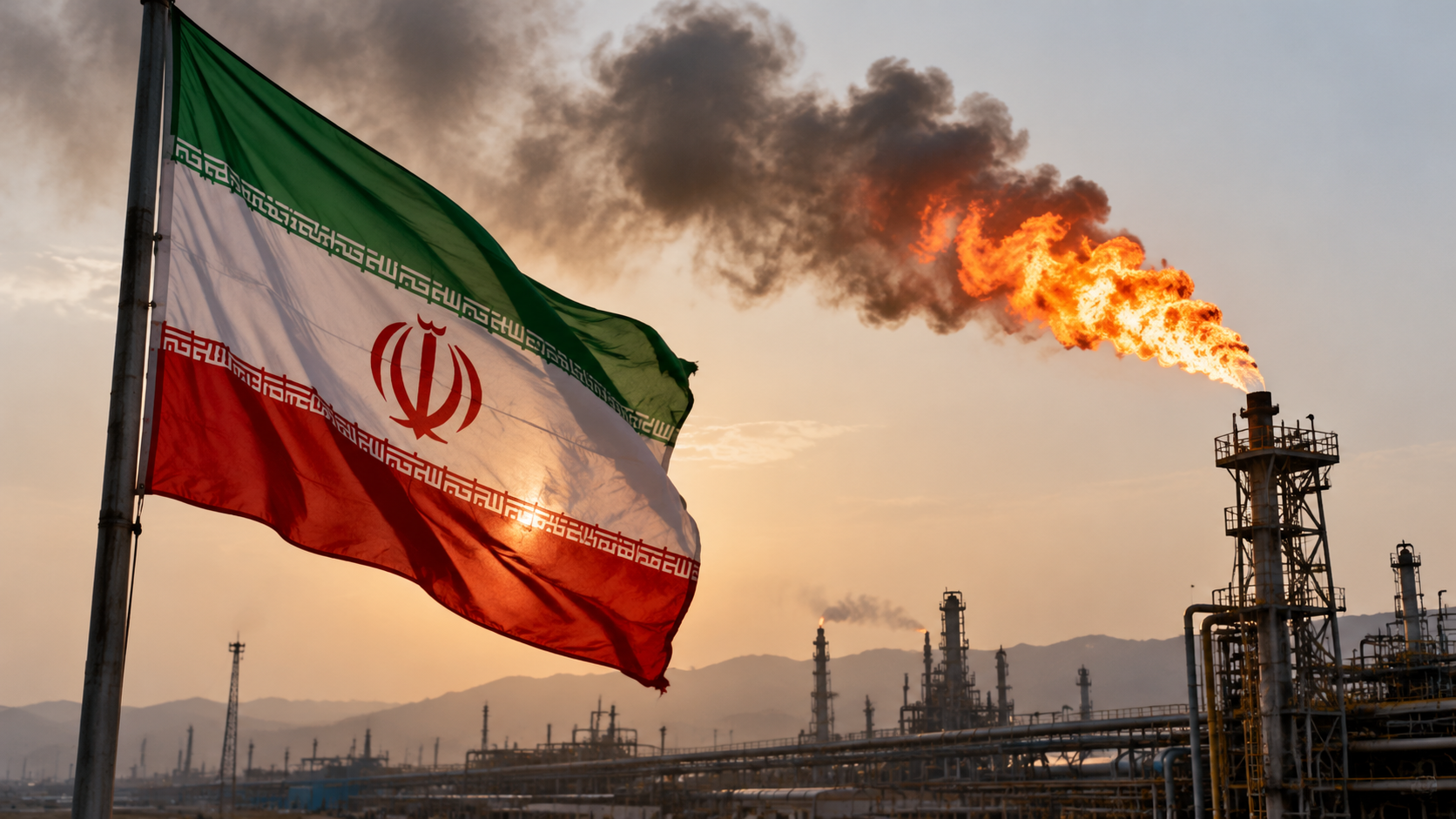
Consumption of illegally produced and counterfeit alcohol in Iran has claimed at least 20 lives. Health authorities report 356 poisoning cases since early November, with 187 people hospitalized. Dozens of patients are in serious condition, with some requiring intensive care or dialysis.
Iran is facing another wave of poisonings linked to illegal alcohol consumption. According to the Ministry of Health, at least 20 people have died since November 1, with a total of 356 intoxication cases recorded.
Deputy Iranian Health Minister for Treatment Sajad Razavi reported that 187 poisoned individuals have been admitted to hospitals. Among them, 33 patients are currently in intensive care units.
Health officials also indicate that 80 people have undergone dialysis or still require it. Visual impairments were observed in 16 patients. Another 142 have already been discharged from hospitals.
Poisonings Reported Across Multiple Iranian Cities
Cases have been reported in several parts of the country. The hardest hit area is northeastern Iran, particularly the city of Neishabur in Razavi Khorasan Province.
Available data shows 211 poisoning cases there. Another 66 cases were reported in Shiraz, 37 in Hormozgan Province, and 19 in Alborz Province.
Health authorities have also recorded poisonings in other cities, including Mashhad, Khoy, Zanjan, Khalkhal, and Zabol.
The average age of those affected is around 30 years old. However, minors are among the poisoned victims, including a 12-year-old child.
Suspected Alcohol Contains Dangerous Methanol
Iranian authorities attribute the poisonings to counterfeit alcoholic beverages and substances containing methanol. Methanol is a highly toxic chemical often found in illegally produced or improperly prepared alcoholic drinks.
Methanol poisoning can cause severe damage to eyesight, kidneys, and other organs. In severe cases, it can lead to permanent blindness or death. Kidney damage and vision disturbances have been reported in some patients in this latest wave of poisonings.
Health officials warn of the urgent need for immediate medical care if poisoning is suspected. Delaying treatment until symptoms worsen can significantly decrease the chances of recovery.
Police Detain Suspects Involved in Production and Distribution
Iranian security forces have intervened in connection with the poisoning cases. In Neishabur, police arrested several suspects allegedly involved in producing and selling counterfeit alcoholic beverages.
Investigators are working to determine the source of the dangerous drinks and how they reached consumers.
Similar incidents recur in Iran. The illegal alcohol market poses a significant health risk largely because the production and distribution operations lack effective regulation and safety controls.
Alcohol Is Banned for Most Iranians
In Iran, the sale and consumption of alcohol are banned for Muslims. Exceptions apply to recognized religious minorities permitted to produce alcohol for private use under specific conditions.
The ban has not stopped an illegal market from flourishing. Counterfeit and homemade alcoholic drinks continue to reach customers and repeatedly cause severe poisonings.
The current
Odomknite si článok za 5 sekúnd
Stačí meno a e-mail. Pošleme vám potvrdzovací odkaz; po jeho potvrdení sa články odomknú. Počasie zostáva voľne dostupné.



Diskusia