
Slovakia Opts Out of €45 Billion EU Loan for Ukraine in 2027

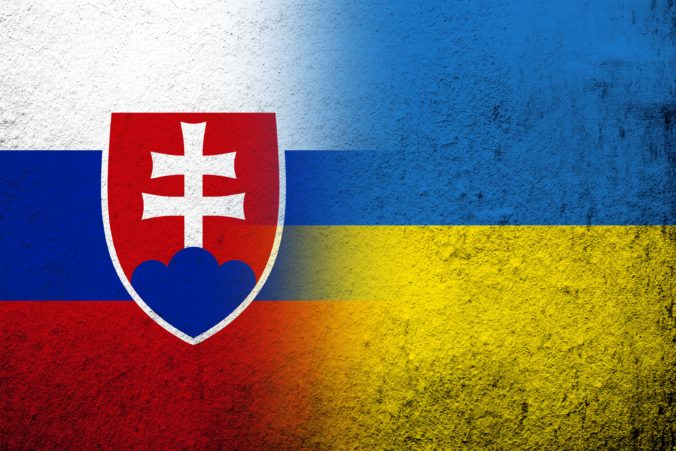
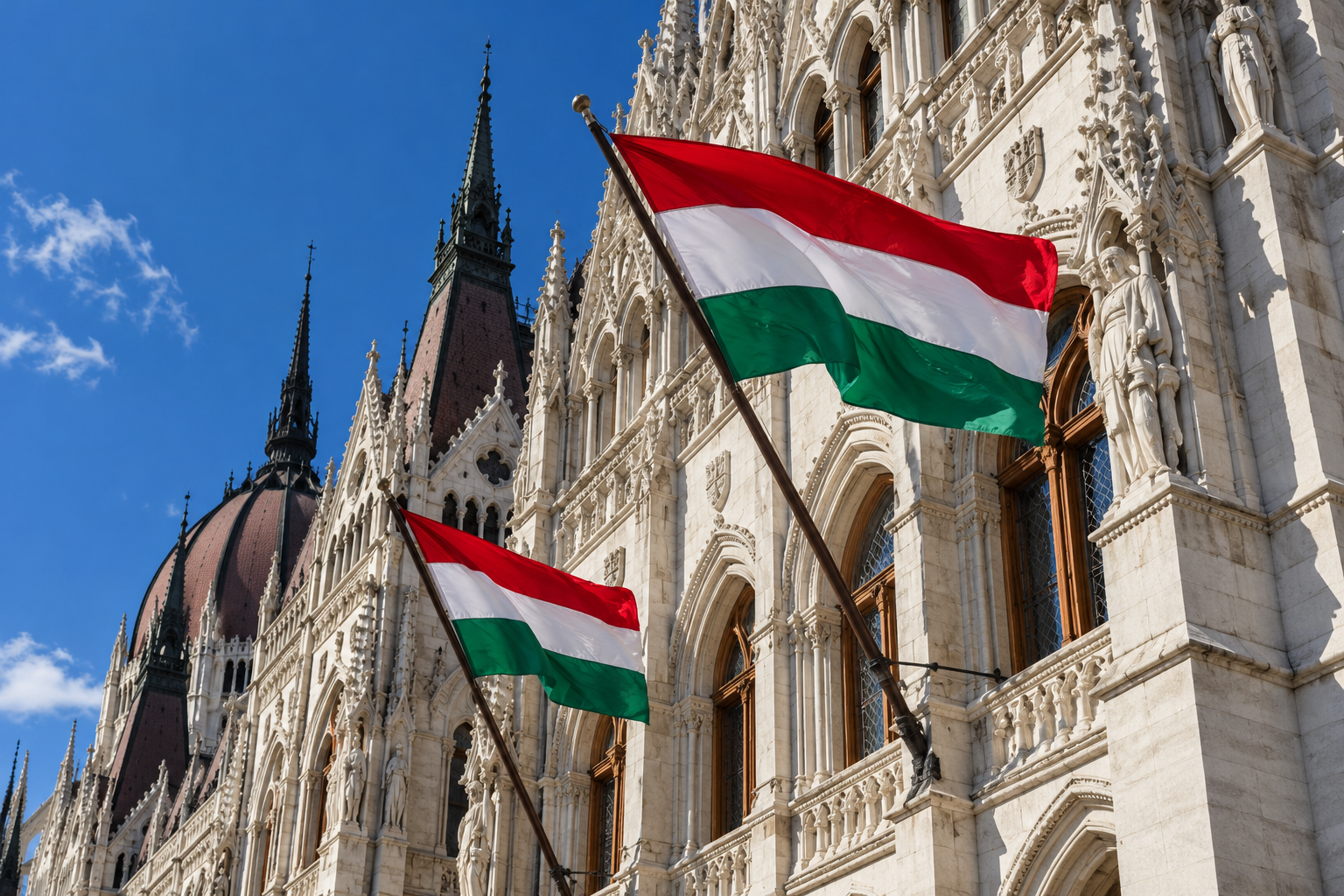
Slovakia will not participate in the planned additional European Union loan of around €45 billion for Ukraine in 2027. Prime Minister Robert Fico, following an extraordinary meeting of the European Council, confirmed that the government intends to invoke an opt-out from this financial mechanism. Hungary and the Czech Republic have expressed similar positions. A final agreement on the loan has not yet been reached, and European leaders will revisit the topic in December.
The European Union is seeking ways to secure funding for Ukraine for the coming year. The country faces significant budgetary and military expenses related to the ongoing war with Russia. Accordingly, the European Commission proposed an additional loan amounting to approximately €45 billion.
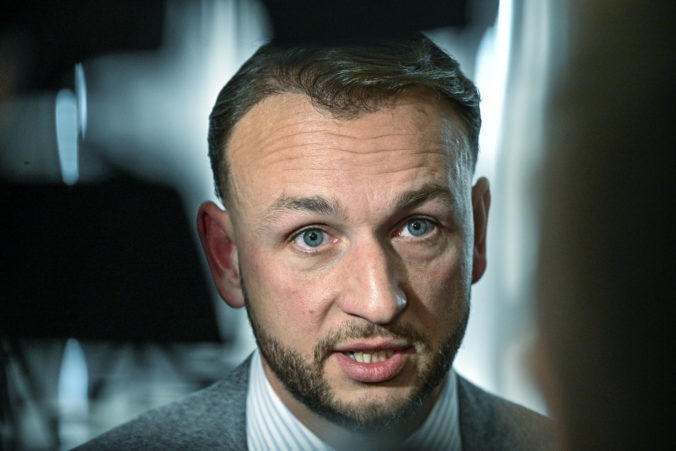
However, Slovakia does not wish to take part in this mechanism. Robert Fico announced this after talks in Brussels on 27 November 2026. According to the Prime Minister, funding will be secured through an enhanced cooperation mechanism, which allows some member states to opt out of specific projects.
This is not the first instance of the Slovak government declining joint financing for further aid to Ukraine. In mid-November, the Prime Minister declared that Slovakia did not want to take on new financial commitments related to support for Kyiv. We covered this topic in the article: Fico rejects another loan for Ukraine, Slovakia seeks to stay out of joint funding.
Slovakia to Use Opt-Out Option for the Loan
According to Robert Fico, Slovakia will not commit to participating in the planned loan. The Prime Minister stated that the leaders of Hungary and the Czech Republic have announced the same intention.
The enhanced cooperation mechanism allows a group of member states to proceed jointly in a specific area without requiring all EU countries to be involved. According to the Prime Minister, this approach will enable other states to continue preparing financial aid without Slovakia’s participation.
Fico emphasized that Slovakia cannot prevent other member states from providing further financial support to Ukraine. However, Bratislava does not want to be part of a commitment that, in the Prime Minister’s view, would impose additional costs on the Slovak public budget.
The extraordinary European Council meeting did not conclude with a final decision on the loan. According to European Council President António Costa, 24 out of 27 member states supported the proposal. Hungary, Slovakia, and the Czech Republic did not join, while Bulgaria indicated participation only in the non-military portion of the aid.
Fico Highlights Estimated Savings of About €14 Million Annually
One of the Slovak government’s arguments is the expected savings on interest payments. Fico explained that Slovakia would bear part of the interest costs associated with the loan if it participated in the financial mechanism.
The Prime Minister estimated that Slovakia’s share would be about €14 million per year. By opting out, these funds would not have to be paid into the joint mechanism intended to cover interest expenses.
Fico also indicated that some of the savings could be redirected toward humanitarian aid for Ukraine. According to him, Slovakia can support the neighboring country through specific goods and material assistance rather than by incurring further collective debt.
The €14 million savings figure is an estimate by the Prime Minister. The final amount will depend on the design of the financial mechanism and how costs are distributed among participating states.
The Loan Aims to Cover Part of Ukraine’s Financial Needs
The planned loan of about €45 billion is intended to help Ukraine manage some of its expenses in 2027. The European Commission estimates Ukraine’s total financial requirements could reach approximately €70 billion.
The proposed sum would therefore cover a significant portion of the anticipated deficit. Ukraine would need to secure the remaining funds from other international partners or different financial arrangements.
The proposals include support for both the state budget and defense needs. The military portion of financing remains one of the most contentious issues in negotiations among member states.
The European Union is also working on structuring the loan’s repayment. The presented model assumes repayments would come from future Russian war reparations. Robert Fico considers this assumption unrealistic and repeatedly warns that financial obligations could ultimately burden European budgets.
Slovakia
Odomknite si článok za 5 sekúnd
Stačí meno a e-mail. Pošleme vám potvrdzovací odkaz; po jeho potvrdení sa články odomknú. Počasie zostáva voľne dostupné.


Diskusia