
Slovakia to Receive Less EU Funding; Minister Confident in Expert Capacity

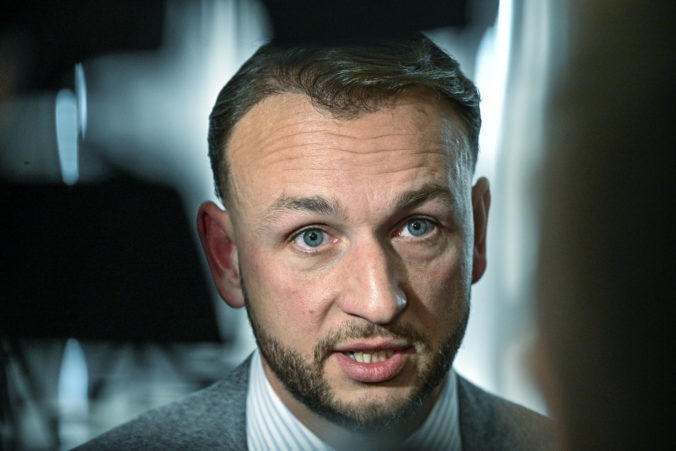
Slovakia will manage a significantly reduced amount of European Union funding during the new programming period from 2028 to 2034. According to the current legislative proposal, around €10 billion will be available in the first phase. Investment Minister Samuel Migaľ rejects concerns about a lack of experts and insists that his ministry has the necessary experience to prepare the new system.
The future of EU funds in Slovakia has become a subject of political and professional debate. The upcoming EU programming period will bring changes to the rules, a smaller volume of funds, and stricter requirements for their use.
After a government meeting on November 25, Minister of Investments, Regional Development and Informatization Samuel Migaľ stated that his ministry possesses sufficient experts to prepare for the new programming period. He also dismissed comparisons between future EU funds and the Recovery and Resilience Plan.
According to the minister, the Ministry of Investments, Regional Development and Informatization (MIRRI) has experience preparing and utilizing European resources. He named government plenipotentiary for the National and Regional Partnership Plan Ladislav Šimko as one of the experts involved in the preparations.
Slovakia Expected to Receive Approximately €10 Billion
The new programming period will be financially more challenging for Slovakia. Based on the current legislative proposal, about €10 billion should be available in the first phase.
By comparison, Slovakia received significantly larger amounts of European funding in the previous period. The smaller budget means the state will need to carefully set priorities and select projects with the greatest economic and regional impact.
Ladislav Šimko pointed out that the new system will include annual spending commitments. Slovakia will not only need to prepare quality projects but also ensure European funds are used within set deadlines.
European funding remains important for regional development, transport infrastructure, education, healthcare, and supporting businesses. Recently, V4+ parliamentary leaders discussed the future of cohesion policy and funding availability for regions. More on that in the article: “V4+ Parliamentary Presidents Discuss Future of EU Funds in Slovakia.”
Migaľ Rejects Comparison with Recovery Plan
Minister Samuel Migaľ disagrees with claims that the new EU funds will operate similarly to the Recovery and Resilience Plan. He stresses that preparation for the new period should be based on the existing expert capacity of his ministry.
The preparation of the National and Regional Partnership Plan is proceeding intensively throughout 2026, according to Ladislav Šimko. Socio-economic partners, entrepreneurs, academia, local authorities, and the third sector are all involved in the process.
The second round of negotiations with partners is scheduled for December. Informal discussions with the European Commission about the first draft could begin in late January or early February, Šimko added.
Preparation of EU Funds Sparks Dispute Between Migaľ and Drucker
The debate over future competencies regarding EU funds also relates to a disagreement within the government coalition. Minister of Education Tomáš Drucker and the Office of the Deputy Prime Minister are at the center of discussions about who should oversee preparations for the new programming period.
Migaľ opposes transferring this agenda to the Office of the Deputy Prime Minister. He claims that his ministry has the necessary personnel and expertise and that creating additional bureaucratic structures would incur unnecessary costs.
Prime Minister Robert Fico stated that any decision on a potential shift of competencies lies with parliament. He emphasized that Slovakia’s readiness for the new programming period
Odomknite si článok za 5 sekúnd
Stačí meno a e-mail. Pošleme vám potvrdzovací odkaz; po jeho potvrdení sa články odomknú. Počasie zostáva voľne dostupné.


Diskusia