
Czech President Petr Pavel Warns of Long Road to Peace in Ukraine, Europe Faces Ongoing Security Threats
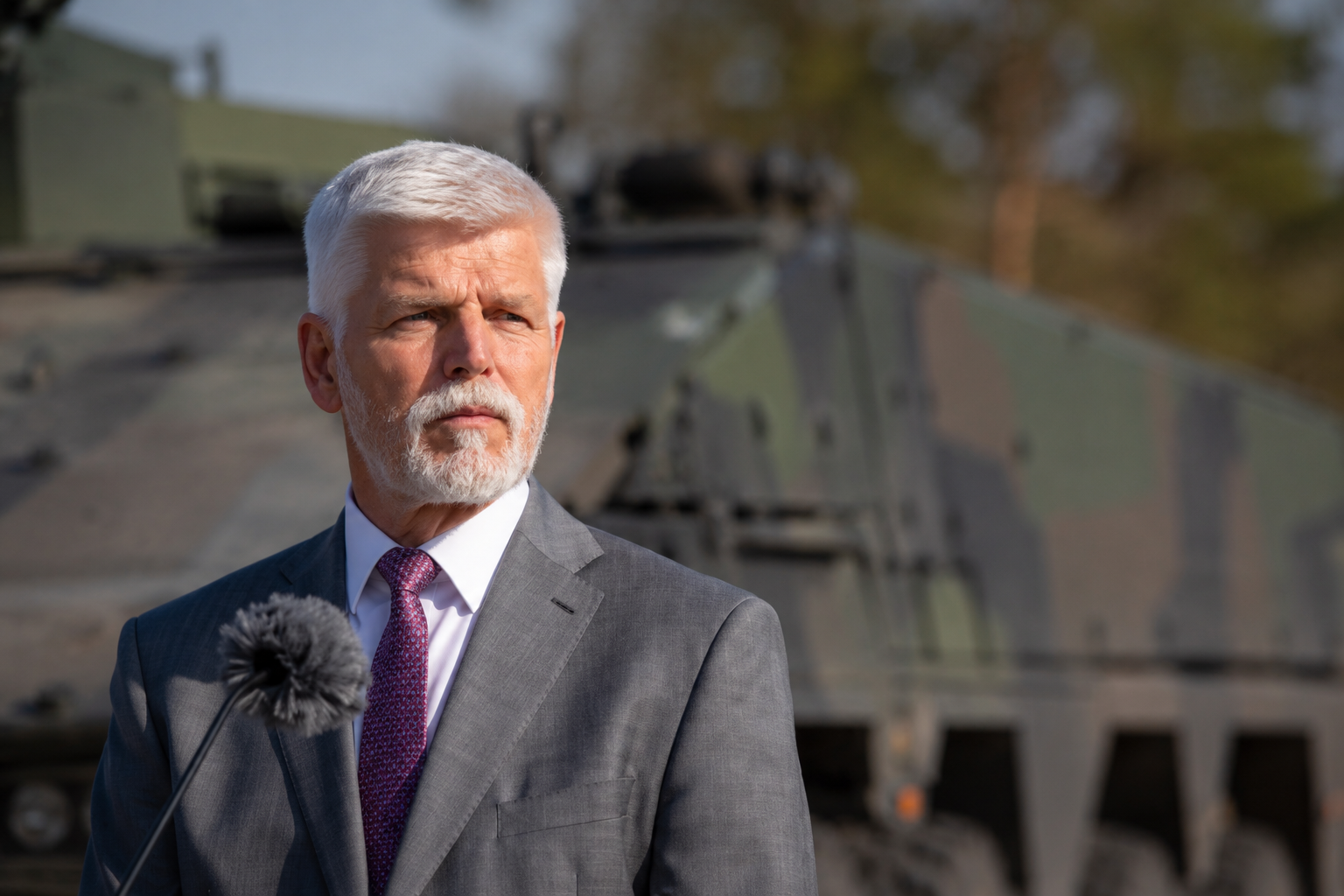
Czech President Petr Pavel warns that a just end to the war in Ukraine remains distant. He says that even a potential ceasefire would not bring immediate stability as Europe must prepare for years of security risks including heightened migration, arms proliferation, and the challenging reintegration of former soldiers into civilian life.
On Tuesday, November 24, 2026, Petr Pavel spoke at the commander assembly of the Army of the Czech Republic, where he highlighted the ongoing deterioration of the global security situation. According to him, the war in Ukraine is entering its fifth year, and the prospect of a just peace remains very distant.
The Czech president also warned that even if the warring parties agree to a ceasefire, it would not automatically lead to stability. He stressed that the consequences of the war could affect Europe’s security for many years.
Pavel: Willingness to Negotiate So Far Only on One Side
In his speech, the Czech president questioned optimistic expectations that the conflict could soon be resolved diplomatically.
He said that genuine willingness to conduct peace negotiations currently exists primarily on the side of Ukraine, European countries, and the United States. The prospect of an agreement that would be just for the invaded country while also bringing stability to Europe remains very remote.
Pavel emphasized that when considering a possible end to the war, it is not enough to talk only about stopping the fighting. It will also be crucial under what conditions a peace agreement is reached and whether it can ensure long-term regional security.
Petr Pavel Warns of Long Road to Peace in Ukraine; Europe Faces Further Security Risks
Czech President Petr Pavel warns that a just resolution of the war in Ukraine is still far off. He says that even signing a ceasefire would not result in immediate stability. Europe will need to prepare for years of security challenges including increased migration, arms proliferation, and the difficult reintegration of former soldiers into civilian life.
Petr Pavel spoke on Tuesday, November 24, 2026, at the commander assembly of the Army of the Czech Republic, where he pointed out the ongoing worsening of the global security situation. According to him, the war in Ukraine has continued for five years, and the outlook for a just peace remains very distant.
The Czech president also warned that even if the warring parties agree to a ceasefire, it would not automatically bring back stability. The consequences of the war, he said, could influence Europe’s security for many years to come.
Pavel: Willingness to Negotiate Currently Exists Only on One Side
In his address, the Czech president expressed skepticism toward optimistic expectations of a swift diplomatic resolution to the conflict.
According to him, real readiness to engage in peace talks is so far primarily on the side of Ukraine, European nations, and the United States. A deal that would be just for the invaded country and bring stability to Europe remains very distant.
Pavel stressed that evaluating a potential end to the conflict requires more than just talking about ending the fighting. Equally important are the terms under which a peace treaty would be signed and whether it could guarantee lasting security in the region.
European leaders are confronting similar questions and are calling for greater involvement in the diplomatic process. More on this topic can be found in the article “European Union Ready to Negotiate With Russia: A New Path Toward Peace in Ukraine?”.
Peace May Not Mean Immediate Stability
One of the main warnings from the Czech president concerns the security ramifications that may follow the end of the fighting. The transition of Russia and Ukraine from war to peace, according to him, will take years.
Pavel pointed out that over one million people are fighting on both sides of the conflict. After the war ends, many of them will have to reintegrate into normal life. This process could bring social and security challenges.
The risks he highlighted include possible increased migration and the spread of arms. The return of a large number of former soldiers to civilian life will also pose a challenge not only for Ukraine and Russia but for neighboring countries as well.
Therefore, the post-war period, according to Pavel, should not be automatically seen as the beginning of a safer Europe. The continent must prepare for scenarios that could arise after a ceasefire is reached.
Europe Will Need to Rely More on Its Own Defense
The Czech president also highlighted the shifting role of the United States in international politics. He noted that Europe may no longer be as strategic a priority for Washington as it once was.
He also pointed to the growing influence of China, which he said is striving for a more prominent role on the global stage.
Pavel therefore stressed
Odomknite si článok za 5 sekúnd
Stačí meno a e-mail. Pošleme vám potvrdzovací odkaz; po jeho potvrdení sa články odomknú. Počasie zostáva voľne dostupné.

Diskusia