
Hungary Lifts Objections, Allowing Ukraine to Advance in EU Accession Talks
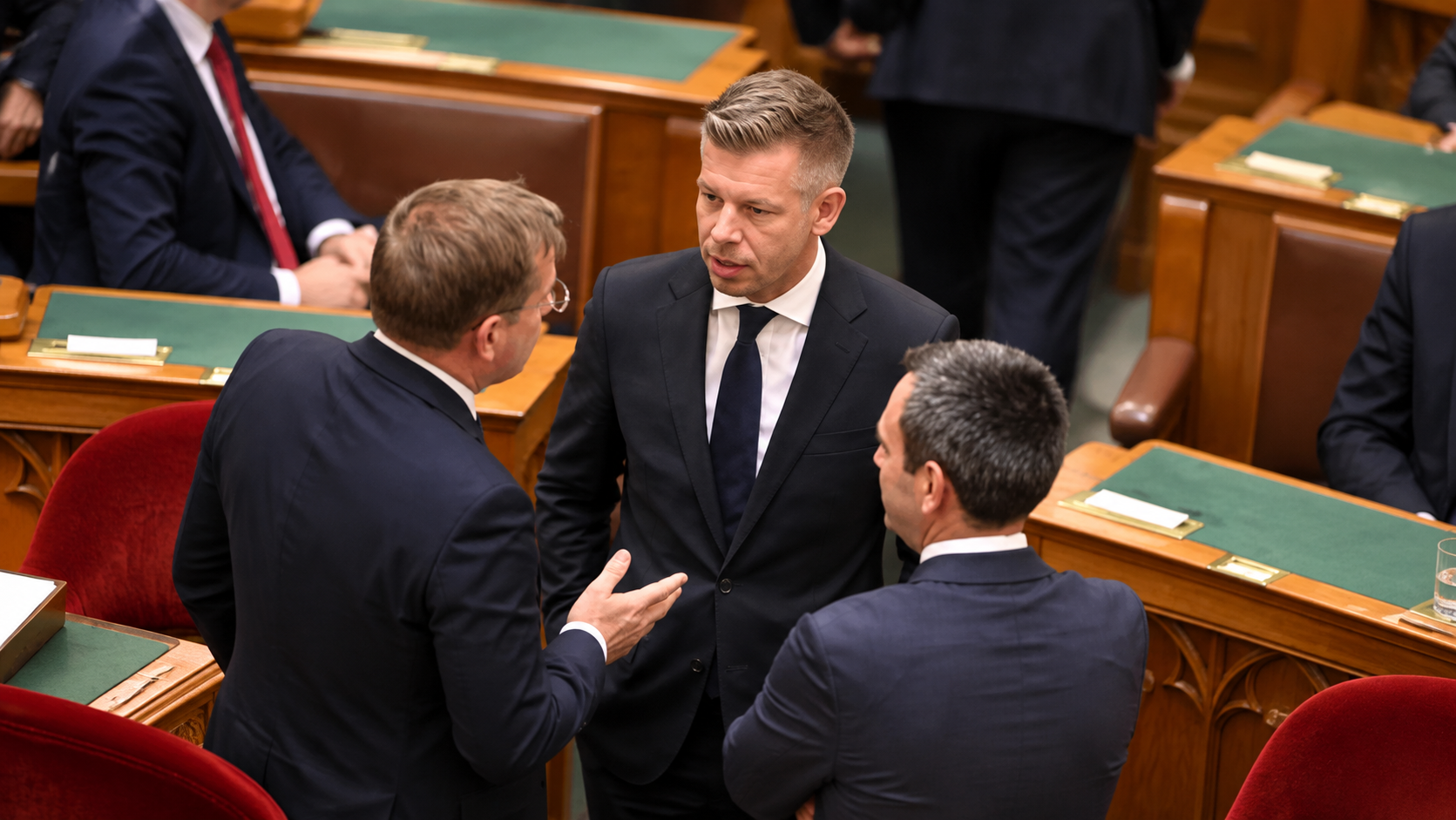
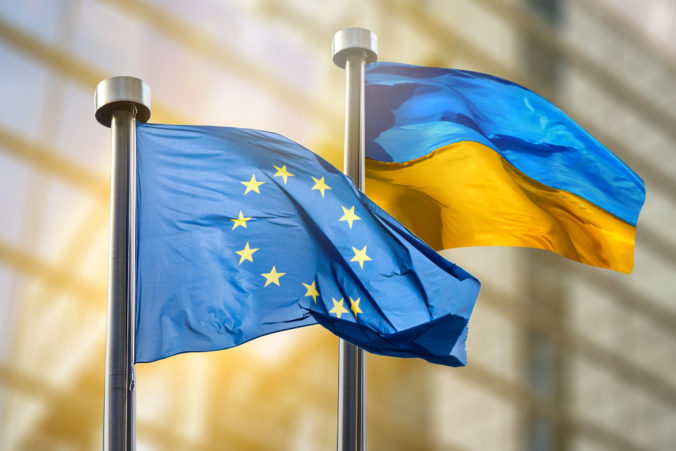
Hungary has withdrawn its objections to Ukraine’s next steps on its path to European Union membership. Budapest’s policy shift has enabled EU member states to open two more areas in accession negotiations, focusing on the functioning of the single market and competitiveness. This diplomatic breakthrough comes after Ukraine’s parliament adopted measures to strengthen the rights of the Hungarian-speaking minority to education in their native language. While this marks a new phase in relations after years of disputes, significant questions between the two countries remain unresolved.
Why Did Hungary Change Its Stance on Ukraine?
Budapest had long questioned Ukraine’s readiness to proceed in EU accession talks. Chief among Hungary’s concerns were the rights of the Hungarian minority living in western Ukraine, especially regarding their ability to use Hungarian in education.
The Hungarian government demanded explicit guarantees that Hungarian-speaking students would continue to have access to education in their own language. Disputes also centered on Ukraine’s language and education laws, which Budapest had criticized for several years.
The situation changed in October 2026, when the Ukrainian parliament passed legislative changes expanding opportunities for education in minority languages. Ukrainian President Volodymyr Zelenskyy subsequently signed the new law.
Following this, Hungary stopped blocking further progress on Ukraine’s EU accession talks. However, not all disputes between the two states have been resolved.
Further background on this diplomatic turnaround can be found in the article “Hungary Drops Veto: Ukraine Moves Forward with EU Negotiations.”
Ukraine Opens More Accession Chapters with EU
Hungary’s decision carries specific significance for Ukraine’s accession process. EU member states were thus able to open two new negotiation chapters, focused on the internal market and competitiveness.
These are essential pillars of how the Union operates. Ukraine will need to gradually align its own regulations with European standards and demonstrate its capacity to fulfil the obligations of membership.
The accession talks are divided into thematic chapters covering the rule of law, the functioning of democratic institutions, the economy, and foreign relations, among others. Thus, opening another negotiation area represents progress but does not constitute automatic fulfillment of all requirements.
The EU’s enlargement process is governed by established rules, and candidate countries must meet strict criteria. Ukraine faces this demanding path of reforms at a time when it continues to grapple with the Russian invasion.
Details on Ukraine’s integration and the importance of these steps can be found in the article “EU Opens Accession Talks with Ukraine and Moldova: Hungary Relents After Years.”
A Zelenskyy-Magyar Meeting Could Bring Further Progress
This latest diplomatic development also opens the door for direct talks between Ukrainian President Volodymyr Zelenskyy and Hungarian Prime Minister Péter Magyar. Officials from both countries are working on the possibility of a meeting in Brussels, on the sidelines of European leaders’ summits.
Such a meeting could provide space to discuss unresolved issues between Kyiv and Budapest. Besides minority rights, discussions could also cover bilateral relations, Ukraine’s European integration, and differing perspectives on regional security.
No date or confirmation of such a bilateral meeting has been officially announced yet. It remains premature to speak of a full reconciliation between
Odomknite si článok za 5 sekúnd
Stačí meno a e-mail. Pošleme vám potvrdzovací odkaz; po jeho potvrdení sa články odomknú. Počasie zostáva voľne dostupné.


Diskusia