
Man Convicted in Tupac Shakur’s Murder Gets 40 Years to Life After 30 Years
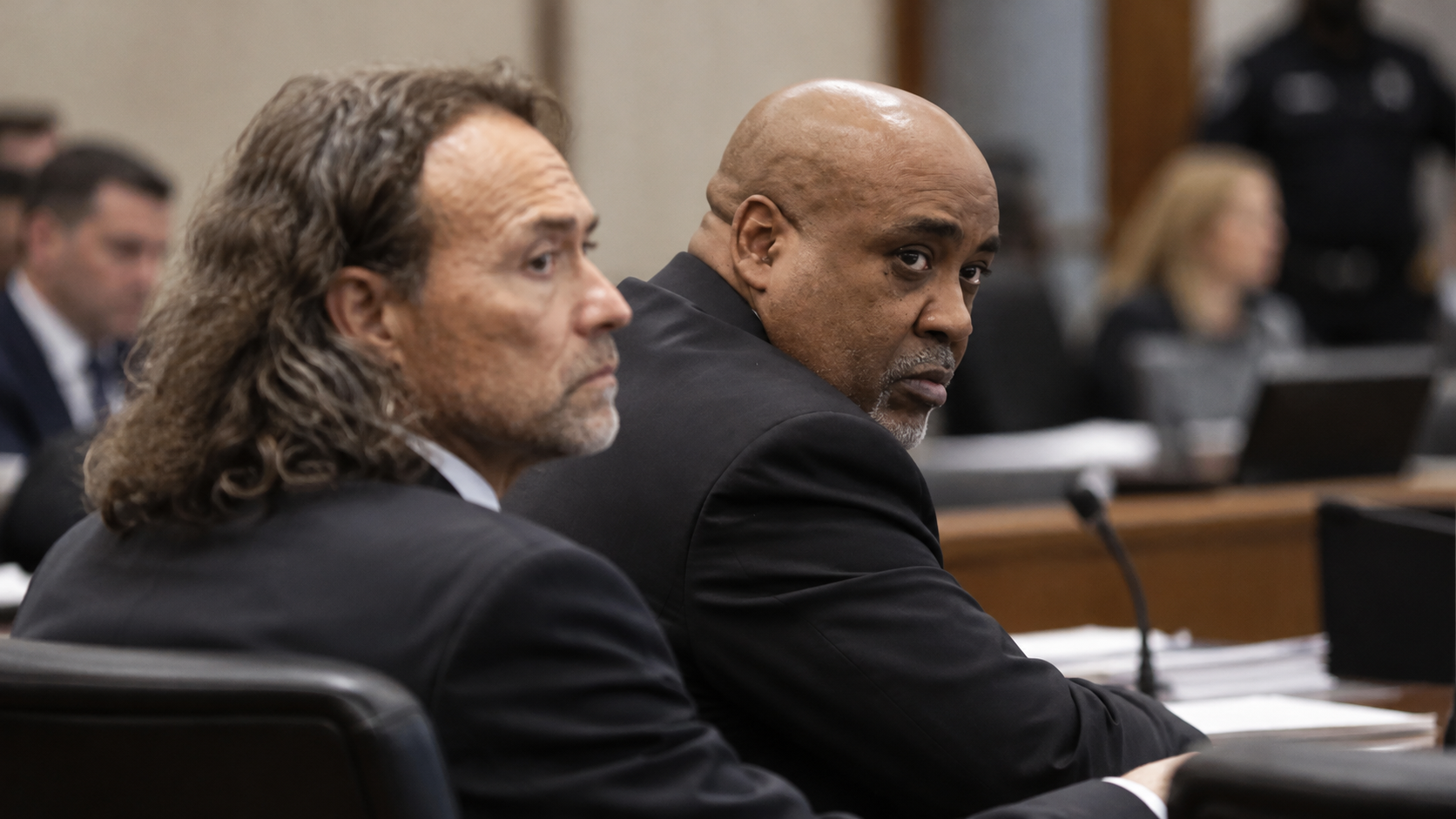
Nearly three decades after the killing of rap icon Tupac Shakur, a major breakthrough has come in the case. A Las Vegas court has sentenced former gang leader Duane “Keffe D” Davis to 40 years to life in prison for orchestrating the 1996 shooting that claimed Shakur’s life. While Davis was not accused of being the shooter, prosecutors asserted that he planned the attack and supplied the weapon. Davis has announced plans to appeal the decision. <Cite refs={[“turn808788news10″,”turn808788search4”]}/>
Court Sentences Davis After Decades of Investigation
The verdict was handed down in Las Vegas on Tuesday, October 13, 2026. Sixty-three-year-old Davis had already been convicted of first-degree murder with a deadly weapon back in August. The court has now determined his sentence, potentially keeping him behind bars for the rest of his life.
The murder of Tupac Shakur long stood as one of America’s most notorious unsolved crimes. Despite numerous theories, testimonies, and intense media attention, the case saw little progress toward a conviction for many years.
Davis remains the only person charged and convicted in connection with the rapper’s death. <Cite refs={[“turn808788search1″,”turn808788search5”]}/>
Tupac Shot in Car in Las Vegas
The shooting took place on September 7, 1996. Tupac Shakur was sitting in the passenger seat of a black BMW driven by music producer Marion “Suge” Knight when a white Cadillac pulled up at a traffic light and gunfire erupted from inside the vehicle.
Shakur sustained multiple gunshot wounds. Six days later, on September 13, 1996, he died in the hospital at the age of 25.
At the time, Shakur was one of the most prominent figures in American hip-hop, known for his music, acting roles, and lyrics addressing social issues, violence, and the realities of life in impoverished communities.
His death became a powerful symbol of the violence associated with parts of the 1990s rap scene and significantly shaped public perception of the then-rivalry between East Coast and West Coast music groups in the U.S.
Prosecutors: Davis Planned and Orchestrated the Attack
According to prosecutors, the shooting was an act of retaliation following a conflict that broke out just hours earlier. Tupac and members of his entourage reportedly got into a physical altercation with Orlando Anderson, Davis’s nephew, at the MGM Grand Hotel.
Prosecutors argued that Davis subsequently helped organize the attack on the rapper. According to their account, Davis was in the Cadillac, provided the gun, and handed it to another person in the car, who then fired the shots.
Davis was not convicted as the person who, according to prosecutors, actually pulled the trigger. However, under U.S. law, a person can be found criminally responsible for helping plan or carry out a murder.
Key Evidence Came from Davis’s Own Statements
The investigation gained momentum after Davis described his involvement in interviews with the media and in his 2019 autobiography.
Prosecutors used these statements as a key part of their case, arguing throughout the trial that Davis’s own words supported their account of the planning and execution of the attack.
The defense countered that Davis had exaggerated or fabricated his stories to gain attention and make money. His attorney, Michael Sanft, questioned the reliability of Davis’s
Odomknite si článok za 5 sekúnd
Stačí meno a e-mail. Pošleme vám potvrdzovací odkaz; po jeho potvrdení sa články odomknú. Počasie zostáva voľne dostupné.







Diskusia